Global Advisory

Expert M&A and capital markets advice

Wealth Management

A long-term perspective to help private clients preserve and grow their wealth

Asset Management

Global investment solutions and services to institutional clients, financial intermediaries and independent financial advisers

Five Arrows

Our alternative assets arm, managing funds dedicated to private equity and private debt

About us

Over 200 years at the centre of the world's financial markets

Careers

A company of opportunity, entrepreneurialism and growth

Location & language

Select Region Select Language

Asset Management: Monthly Macro Insights - July 2026

Updated
Published

Energy Risks Ease, but Structural Fragilities Remain

The recent decline in oil prices has reduced some of the most immediate threats to global growth and inflation. However, significant sources of uncertainty remain, including persistent structural inflationary pressures, a gradual cooling of labour markets and the growing role of Chinese external demand in supporting global activity.


Improving Energy Outlook

Falling oil prices have helped improve the global macroeconomic backdrop. Expectations of diplomatic de-escalation between the United States and Iran, together with hopes for a gradual normalization of shipping through the Strait of Hormuz, have led investors to reduce the geopolitical risk premium embedded in energy markets. While this makes a stagflation scenario less likely, ongoing geopolitical tensions and depleted strategic reserves suggest that energy-related risks have not disappeared entirely.

Inflation Risks Remain Structural

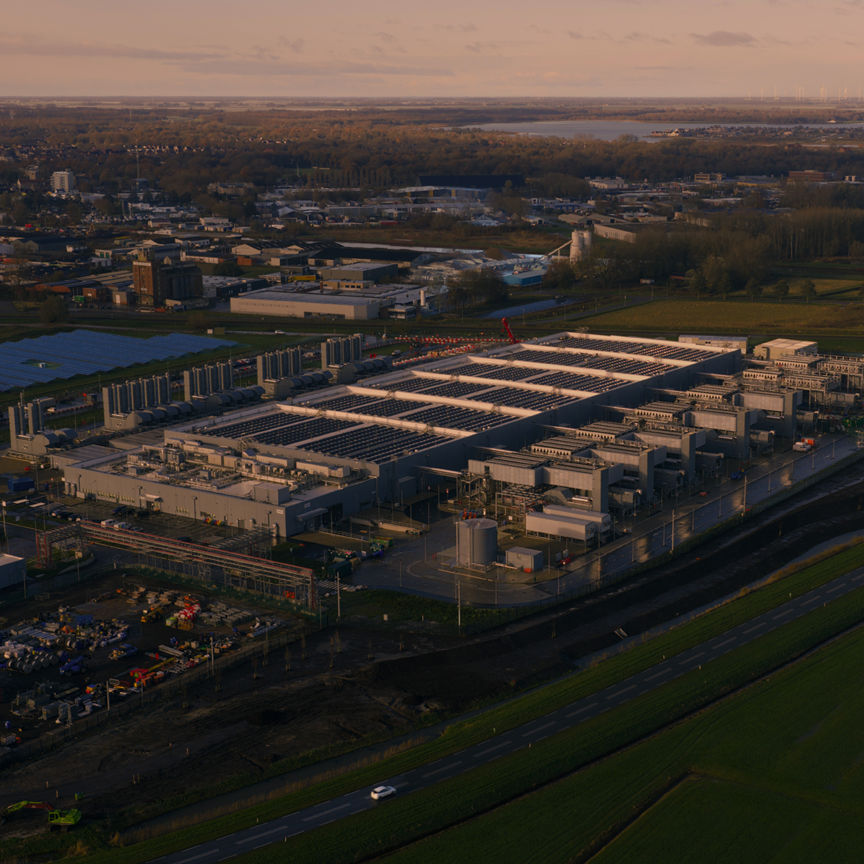
The moderation in oil prices should not be mistaken for the end of inflationary pressures. Services inflation remains elevated across many advanced economies, while several structural factors continue to support higher prices. These include the cumulative effects of successive supply shocks and the substantial investment required to support the rapid deployment of artificial intelligence. Spending on data centres, semiconductors, power networks and digital infrastructure is supporting growth but also creating pressure on production capacity and costs.

Labour Markets and China Remain Key Uncertainties

Labour market conditions have softened across most advanced economies, although household consumption has remained remarkably resilient so far. At the same time, China continues to display a pronounced divergence between weak domestic demand and robust export performance, supported by its competitive position in sectors linked to electrification, renewable energy and AI-related technologies. While this helps stabilize global growth, it also increases competitive pressures on European manufacturers and could reignite trade tensions across several strategic industries.

 

Read the Monthly Macro Insights

by Marc-Antoine Collard, Chief Economist and Head of Economic Research

Read more articles

Politics on the beach

Populism is reshaping politics across the US and Europe, drawing parties away from the traditional centre. Rather than left versus right, voters increasingly divide along establishment versus anti-establishment lines, creating opportunities for populist movements and challenging conventional political assumptions.

Rothschild & Co’s UK Wealth Management business continues to strengthen its regional presence with appointment of Samantha Beach in Manchester

Rothschild & Co’s UK Wealth Management business continues to strengthen its regional presence with appointment of Samantha Beach in Manchester.

CIO Outlook - July 2026

Against a backdrop of resilience of the global economy and the rise of artificial intelligence, Didier Bouvignies reflects on the key drivers behind the first-half market rally and shares his outlook for the second half.

Asset Management: Fixed Income Quarterly Strategy July 2026

After a strong start to the year for the fixed income markets, the environment has gradually become more complex. Yet the credit market initially benefited from a favorable environment: resilient global growth, gradual disinflation, and central banks perceived as likely to ease monetary policy.

Asset Management: European Equities Quarterly Strategy July 2026

The second quarter of 2026 marked an important turning point for European equities. Following the correction at the end of March, driven by concerns over a prolonged energy shock, markets gradually regained visibility as geopolitical tensions in the Middle East eased and energy prices declined.

Growth Equity Update

The latest Growth Equity Update from Patrick Wellington, Vice-Chairman of Equity Advisory.