Región e idioma

Cambiar región Seleccionar idioma

Asset Management: Monthly Macro Insights - July 2026

Fecha de modificación
Fecha de publicación

Energy Risks Ease, but Structural Fragilities Remain

The recent decline in oil prices has reduced some of the most immediate threats to global growth and inflation. However, significant sources of uncertainty remain, including persistent structural inflationary pressures, a gradual cooling of labour markets and the growing role of Chinese external demand in supporting global activity.


Improving Energy Outlook

Falling oil prices have helped improve the global macroeconomic backdrop. Expectations of diplomatic de-escalation between the United States and Iran, together with hopes for a gradual normalization of shipping through the Strait of Hormuz, have led investors to reduce the geopolitical risk premium embedded in energy markets. While this makes a stagflation scenario less likely, ongoing geopolitical tensions and depleted strategic reserves suggest that energy-related risks have not disappeared entirely.

Inflation Risks Remain Structural

The moderation in oil prices should not be mistaken for the end of inflationary pressures. Services inflation remains elevated across many advanced economies, while several structural factors continue to support higher prices. These include the cumulative effects of successive supply shocks and the substantial investment required to support the rapid deployment of artificial intelligence. Spending on data centres, semiconductors, power networks and digital infrastructure is supporting growth but also creating pressure on production capacity and costs.

Labour Markets and China Remain Key Uncertainties

Labour market conditions have softened across most advanced economies, although household consumption has remained remarkably resilient so far. At the same time, China continues to display a pronounced divergence between weak domestic demand and robust export performance, supported by its competitive position in sectors linked to electrification, renewable energy and AI-related technologies. While this helps stabilize global growth, it also increases competitive pressures on European manufacturers and could reignite trade tensions across several strategic industries.

 

Read the Monthly Macro Insights

by Marc-Antoine Collard, Chief Economist and Head of Economic Research

Read more articles

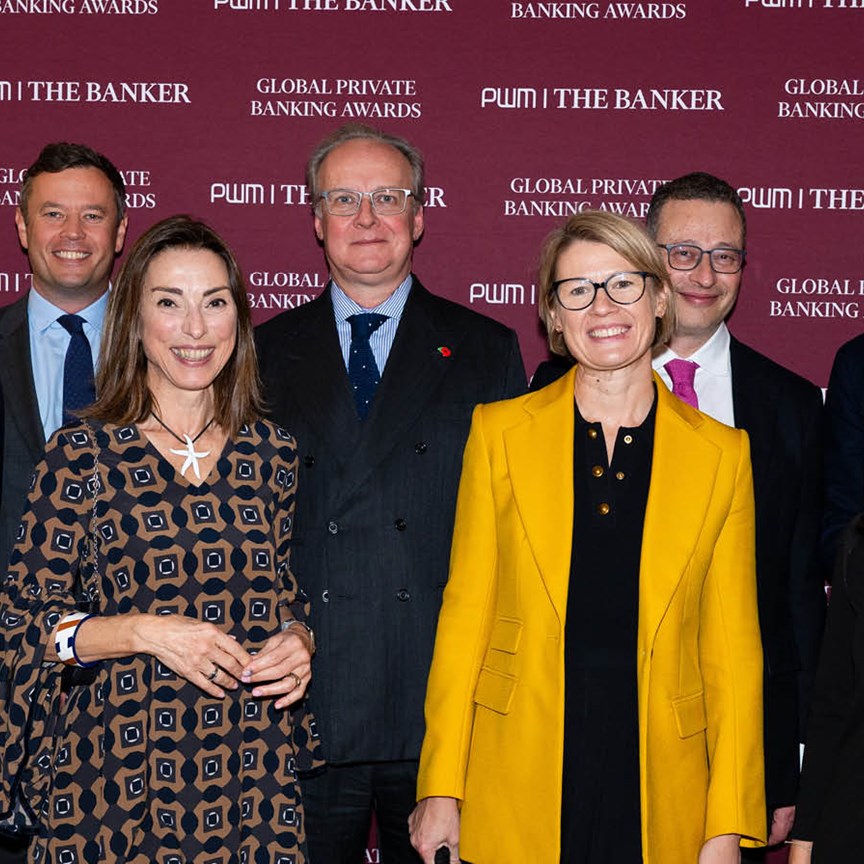
Rothschild & Co’s Swiss Wealth Management business wins ‘Best Private Bank for Succession Planning in Switzerland’ at Global Private Banking Awards 2026

Rothschild & Co Wealth Management Switzerland has been recognised at the renowned Global Private Banking Awards 2026, as ‘Best Private Bank for Succession Planning in Switzerland’.

The Midterms

A Democratic sweep may increase political gridlock, but history suggests limited market impact, with resilient US growth, strong corporate profitability and consumers remaining more important drivers for investors.

A quiet budget that may still change the landscape

The 2026 Budget brought limited headline change but potentially significant long-term implications, particularly for business owners, property investors and savers, through higher tax rates, new Founders Relief and company reforms.

UK Budget - first impressions

The Budget delivers modest fiscal changes with limited portfolio impact, while reinforcing the UK’s manageable debt outlook, although its collection of smaller measures appears driven more by politics than economics.

Research Matters by Rothschild & Co Redburn

How much AI infrastructure does the world need - and how is it going to be funded? Rothschild & Co Redburn's Global Head of Technology Alex Haissl joins Chief Strategist George Karamanos to explore the scale of the data centre buildout, the financing structures underpinning it and the prospects for sustainable returns. They discuss the balance between training and inference, the importance of enterprise adoption, and what credit markets and open-source competition could signal for the next phase of AI investment.

Concrete decisions - pay now or pay later

The built environment must balance decarbonisation, climate resilience and affordability, with collaboration across housebuilders, policymakers, investors and suppliers essential to creating sustainable, resilient homes that deliver long-term value for communities.