Asset Management: Monthly Macro Insights - July 2026
Energy Risks Ease, but Structural Fragilities Remain
The recent decline in oil prices has reduced some of the most immediate threats to global growth and inflation. However, significant sources of uncertainty remain, including persistent structural inflationary pressures, a gradual cooling of labour markets and the growing role of Chinese external demand in supporting global activity.
Improving Energy Outlook
Falling oil prices have helped improve the global macroeconomic backdrop. Expectations of diplomatic de-escalation between the United States and Iran, together with hopes for a gradual normalization of shipping through the Strait of Hormuz, have led investors to reduce the geopolitical risk premium embedded in energy markets. While this makes a stagflation scenario less likely, ongoing geopolitical tensions and depleted strategic reserves suggest that energy-related risks have not disappeared entirely.
Inflation Risks Remain Structural
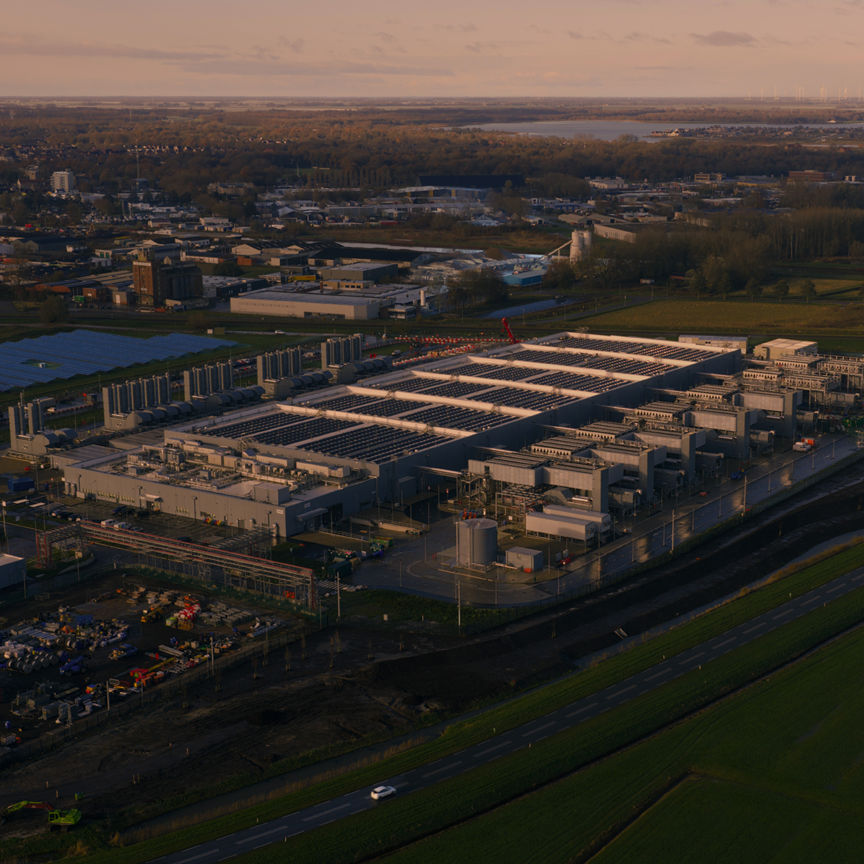
The moderation in oil prices should not be mistaken for the end of inflationary pressures. Services inflation remains elevated across many advanced economies, while several structural factors continue to support higher prices. These include the cumulative effects of successive supply shocks and the substantial investment required to support the rapid deployment of artificial intelligence. Spending on data centres, semiconductors, power networks and digital infrastructure is supporting growth but also creating pressure on production capacity and costs.
Labour Markets and China Remain Key Uncertainties
Labour market conditions have softened across most advanced economies, although household consumption has remained remarkably resilient so far. At the same time, China continues to display a pronounced divergence between weak domestic demand and robust export performance, supported by its competitive position in sectors linked to electrification, renewable energy and AI-related technologies. While this helps stabilize global growth, it also increases competitive pressures on European manufacturers and could reignite trade tensions across several strategic industries.