India: Forty years of profound economic change


I don't care if there is sugar in the Indies, porcelain in China, or coffee in Arabia; it must be brought to me!”
Commentary of Nicolas de Condorcet on The Spirit of Laws
India : forty years of profound economic changes
Now the world's fifth largest economic power, India is attracting growing international interest. Its rise, marked by a series of political, economic and social transformations, has followed a unique trajectory, combining tradition and strategic openness to the world. This dynamic seems to have been set in motion in 1991, when the country, faced with an acute balance of payments crisis, embarked on a major economic liberalisation programme. Driven by deregulation, openness to foreign investment and privatisation, this reform undeniably marked India's entry into the global market economy [1].
In fact, the first signs of this change began to appear back in the 1980s, driven by Indira Gandhi and her son Rajiv Gandhi, with internal liberalisation involving large family-owned conglomerates. Having entered this new dynamic, the country was quick to seize opportunities, particularly in the IT sector. Then the turn of the millennium and the need to upgrade IT systems propelled companies such as Wipro, Infosys and Tata Consultancy Services to prominence: Bangalore and Hyderabad then became the hubs of a booming outsourcing industry [1].
At the same time, and in another field, the pharmaceutical sector was another strategic growth driver. Since joining the WTO in 1995 and aligning itself with the TRIPS agreements [a] in 2005, India has maintained its capacity to produce generic drugs. Thanks to a legal framework favourable to Indian players, it has consolidated its role as the “pharmacy of the world,” particularly for countries in the south. As a result, the share of foreign pharmaceutical companies in the Indian market has fallen from 68% in 1970 to 23%
today [2].
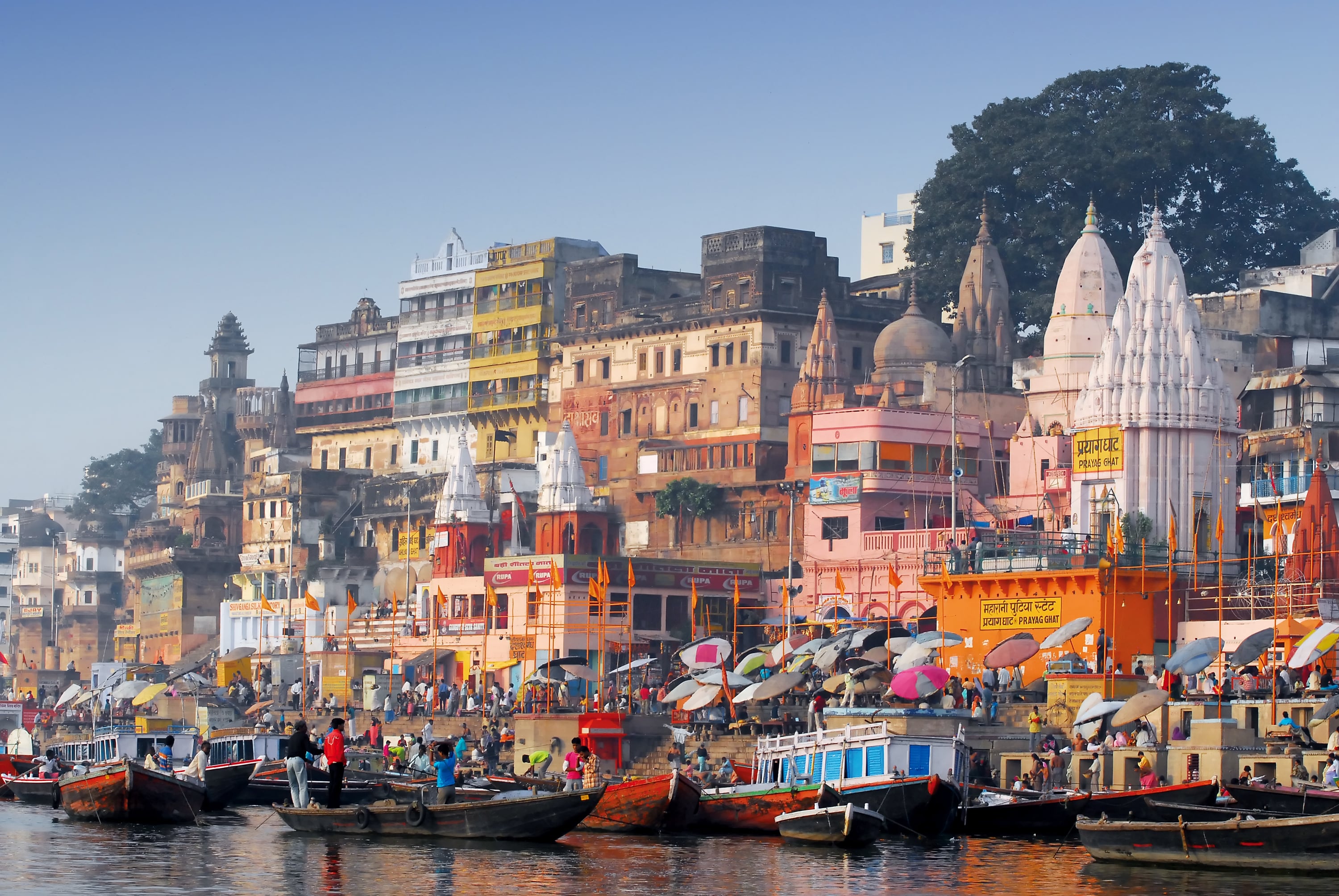
One of the flagship initiatives is ‘Make in India,’ which aims to turn the country into a global industrial hub...”
The acceleration of the Modi era
Narendra Modi’s rise to power in 2014 marked a turning point in the consolidation of India's economic power. Backed by the support of a young, large and increasingly educated population, the government has accelerated reforms to foster the emergence of a strong industrial and technological ecosystem. While the literacy rate remains lower than that in China (74% compared with 100%) [3], India trains 1.5 million engineers each year to support the digital economy and the service sector! Added to this is a major growth driver, private consumption, which accounts for nearly 65% of GDP, making the Indian economy extremely resilient to external shocks and providing sustained support for domestic demand.
One of the flagship initiatives is “Make in India,” which aims to turn the country into a global industrial hub [1]. In addition, there is “Digital India” and the India Stack platform, which facilitates digital identity, electronic payments and online authentication, all of which laid the foundations for the 2016 demonetisation. The goal of strategic autonomy is gradually taking shape in the “Atmanirbhar Bharat” programme, which aims to reduce external dependence in key sectors [4].
But this ambition for sovereignty also comes against a backdrop of growing rivalry with China. Between 2015 and 2020, China invested nearly USD 5 billion in Indian start-ups, actively participating in the emergence of 18 local unicorns [3]. In 2014, Xi Jinping also promised USD 20 billion in investments in India, particularly in industry and infrastructure. Behind these laudable intentions, this interdependence remains problematic, particularly in view of the mega-dam project on the Yarlung Tsangpo River on the Chinese side (Brahmaputra River on the Indian side) [5]. But the trade deficit with its neighbour (USD 85 billion in 2023) further highlights a structural imbalance. To remedy this, India has decided to strengthen its protections: banning 550 Chinese apps, excluding Huawei and ZTE from 5G, introducing a prior approval mechanism for all Chinese investments, withdrawing from the RCEP [6] and raising customs duties.
The international context is favourable to this strategy. Indeed, the “China+1” trend [7], adopted by many multinationals to diversify their supply chains, strengthens India's position. For example, Apple aims to produce the majority of iPhones for the US market in India by 2025 [8]. In 2024, the equivalent of USD 22 billion worth of iPhones was assembled there, already accounting for 20% of global production.
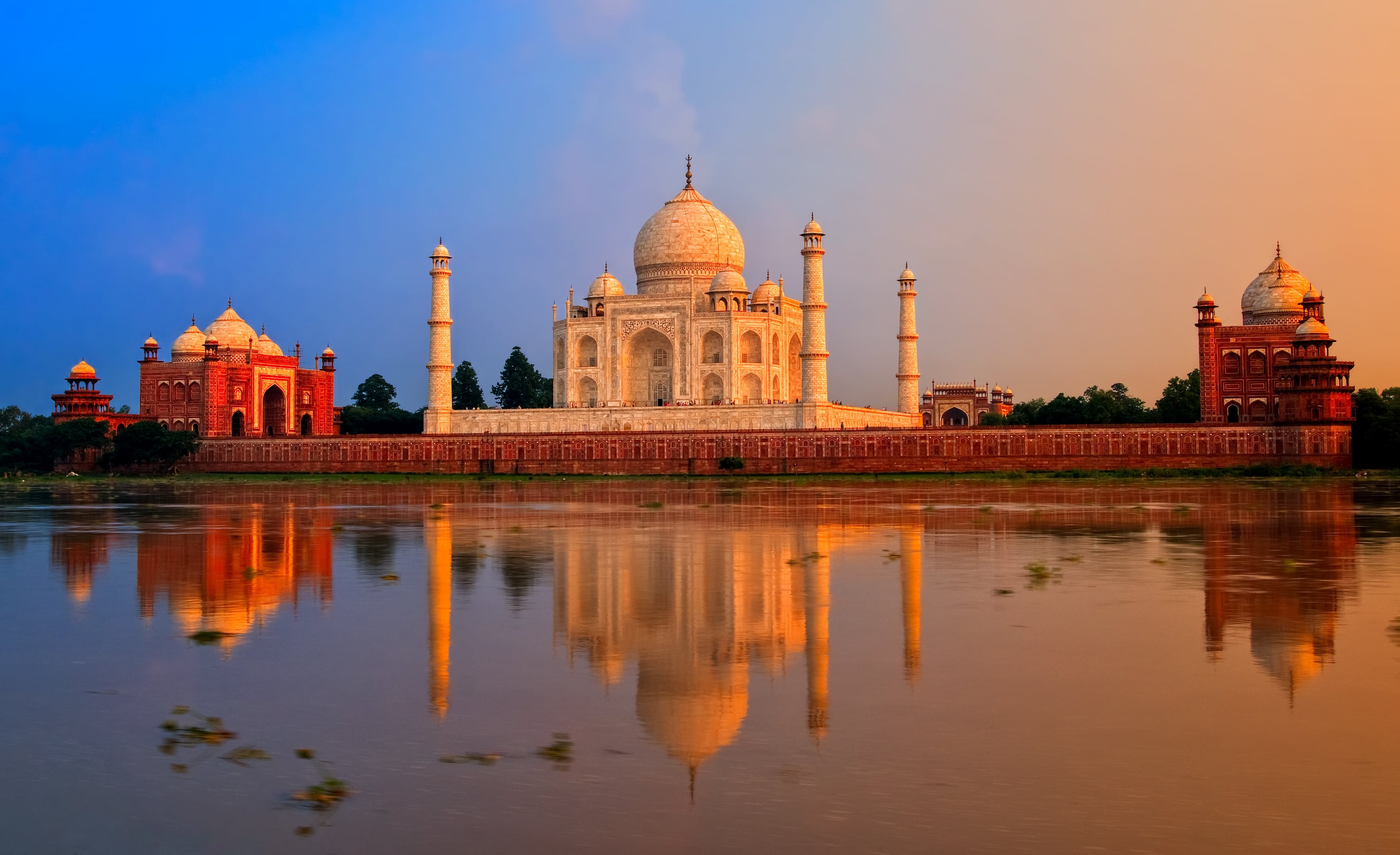
The government has accelerated reforms to foster the emergence of a strong industrial and technological ecosystem...”
Still a long way to go...
To support this industrial ambition, India must nevertheless accelerate the modernisation of its logistics infrastructure. For example, the port of Jawaharlal-Nehru, near Mumbai, handles a quarter of the country's containers, but remains modest compared with the major Asian terminals. A significant proportion of freight still transits through foreign hubs such as Singapore and Dubai (around 25% of freight between India and Asia/Europe) [9]. In response to these challenges, the future port of Vadhavan, scheduled for completion in 2035, will triple logistics capacity and accommodate the world's largest container ships. This project is part of the MIV 2030 strategy [10].
Note that this transformation would not be possible without a revamped financial ecosystem. Since the 1991 reforms, India has gradually developed a competitive, digital and inclusive banking system. In the 2000s, microfinance and technology also expanded access to banking services. Then the following decade saw the rise of digital technology: Aadhaar [b] and UPI [c] revolutionised banking practices, fostering the emergence of a dynamic FinTech ecosystem.
Since 2020, the sector has continued its transformation, with the emergence of 100% digital banks, the consolidation of the public banking landscape, a shift towards green finance and a strengthening of the Reserve Bank of India's role in macroeconomic stability... In this process of change, the bond market has also become more attractive thanks to FAR (Fully Accessible Route) bonds, which are available without restriction to foreign investors and are now included in the J.P. Morgan GBI-EM indices. In just a few years (June 2025), assets under management in FAR bonds already represent some USD 330 billion!
For the investor
In terms of equity markets, India is establishing itself as a major player, with a total stock market capitalisation of USD 4.5 trillion, placing it among the world's top five financial centres. According to Goldman Sachs [11], listed companies' earnings are expected to grow by 12-15% per year over the next five years. At this valuation level, the average price-earnings ratio (PER) for the Indian market is around 20 to 21, slightly above the average for emerging markets. This premium reflects domestic resilience, the depth of the local market and long-term structural growth prospects. High-growth sectors include information technology, finance, consumer goods and infrastructure. And despite a slight slowdown in IPOs in 2025, the market remains dynamic, particularly in the sectors mentioned above.
India now seems to be establishing itself as a key player in 21st century Asia. With its demographics, domestic market, technological potential and reforms, it is emerging as a major hub of stability and growth. It is now undoubtedly China's main strategic rival in Asia, with its own development model and democratic foundations.
Nevertheless, some fundamental weaknesses remain. For example, efforts are still needed to strengthen the quality of public governance and improve administrative efficiency. These levers seem essential to consolidate investor confidence and support the country's growth.
In such a context, this quote by Socrates takes on its full meaning: “The secret of change is to focus all of your energy, not on fighting the old, but on building the new. ”
This sums up India's trajectory: building the future by transforming the present... while pragmatically addressing the legacy and challenges of its history. A sometimes paradoxical trajectory!
[1] IE portal, May 2024, “India and the policy of increasing power through the economy”, Jules Basset
[2] Yves-Marie Rault-Chodankar, “India in the South-South pharmaceutical globalisation”, GéoConfluences, Université Paris 1, May 2025
[3] Sylvia Malinbaum, “China/India: how far will the rivalry go?” Diplomatie no.133
[4] Initiative “Atmanirbhar Bharat”, industrial policy launched in 2020 [5] Franck Galland, “The Chinese mega-dam on the Tsangpo”, Diplomatie no.133
[6] RCEP: Regional Comprehensive Economic Partnership, active since January 2022
[7] “China+1” strategy for the diversification of value chains
[8] Silicon.fr, April 2025, “Apple moves iPhone production to India”
[9] The New York Times, Peter S. Goodman and Hari Kumar, 2025, via “Ports and corridors”
[10] MIV 2030: Maritime India Vision 2030, national port programme
[11] Goldman Sachs – India Equity Strategy Outlook 2025, April 2025
[a] TRIPS, Trade-Related Aspects of Intellectual Property Rights
[b] Aadhaar, India's biometric-based population identification system
[c] UPI, Unified Payments Interface, Indian mobile payment system