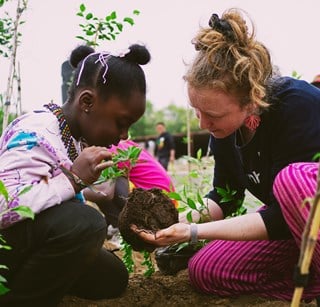
Our partnership reflects a shared commitment to environmental and social progress. Together, we are creating spaces that support biodiversity while offering lasting opportunities for learning, well-being and community connection.
What is a ‘pocket forest’?
Pocket forests are dense, biodiverse areas created in urban settings using an adapted form of the Miyawaki method. By bringing native species into a small space, they can strengthen biodiversity and help communities respond to heat, pollution and other effects of climate change.
Compared with conventional tree plantations, SUGi’s pocket forests bring together a rich mix of native species in a tightly layered design, kickstarting a self-functioning ecosystem that matures in 2-3 years. Across the global network, these forests achieve an 86% survival rate, exceptionally high for restoration ecology.
Designed for urban environments, the forests help cool their surroundings, improve air quality and create habitats for birds and pollinators. Each one is developed with local partners and communities, helping to ensure that the space responds to local needs and can be cared for over time.
Learn more about some of our network of pocket forests below
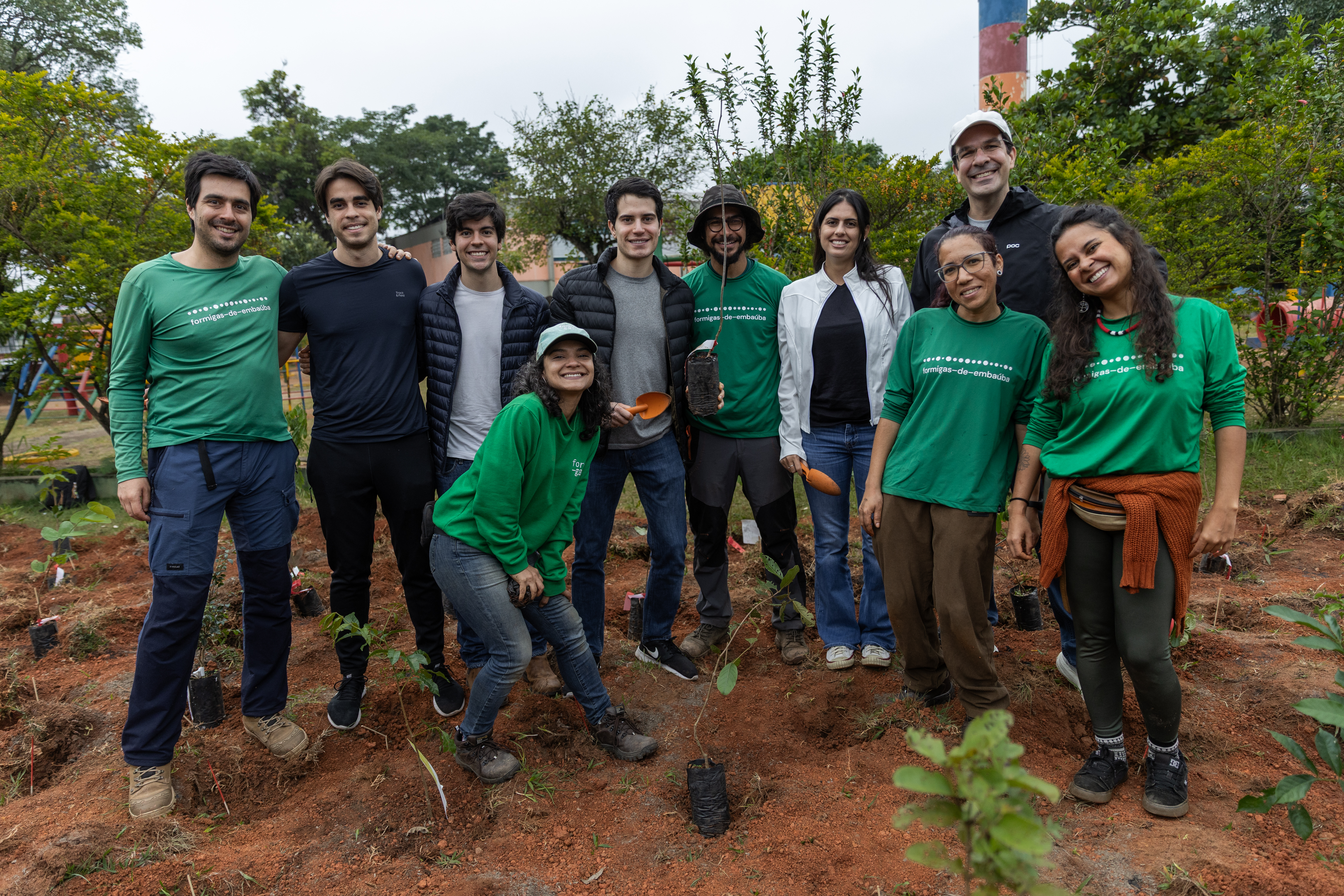

Colleagues have helped bring many of these pocket forests to life, planting alongside local schools and communities.
These volunteering opportunities offer a practical way to learn about biodiversity, spend time in nature and work together. They also create a lasting connection with the places where we work, with colleagues able to return as the forests grow and see our long-term impact.