Making sense of COP29
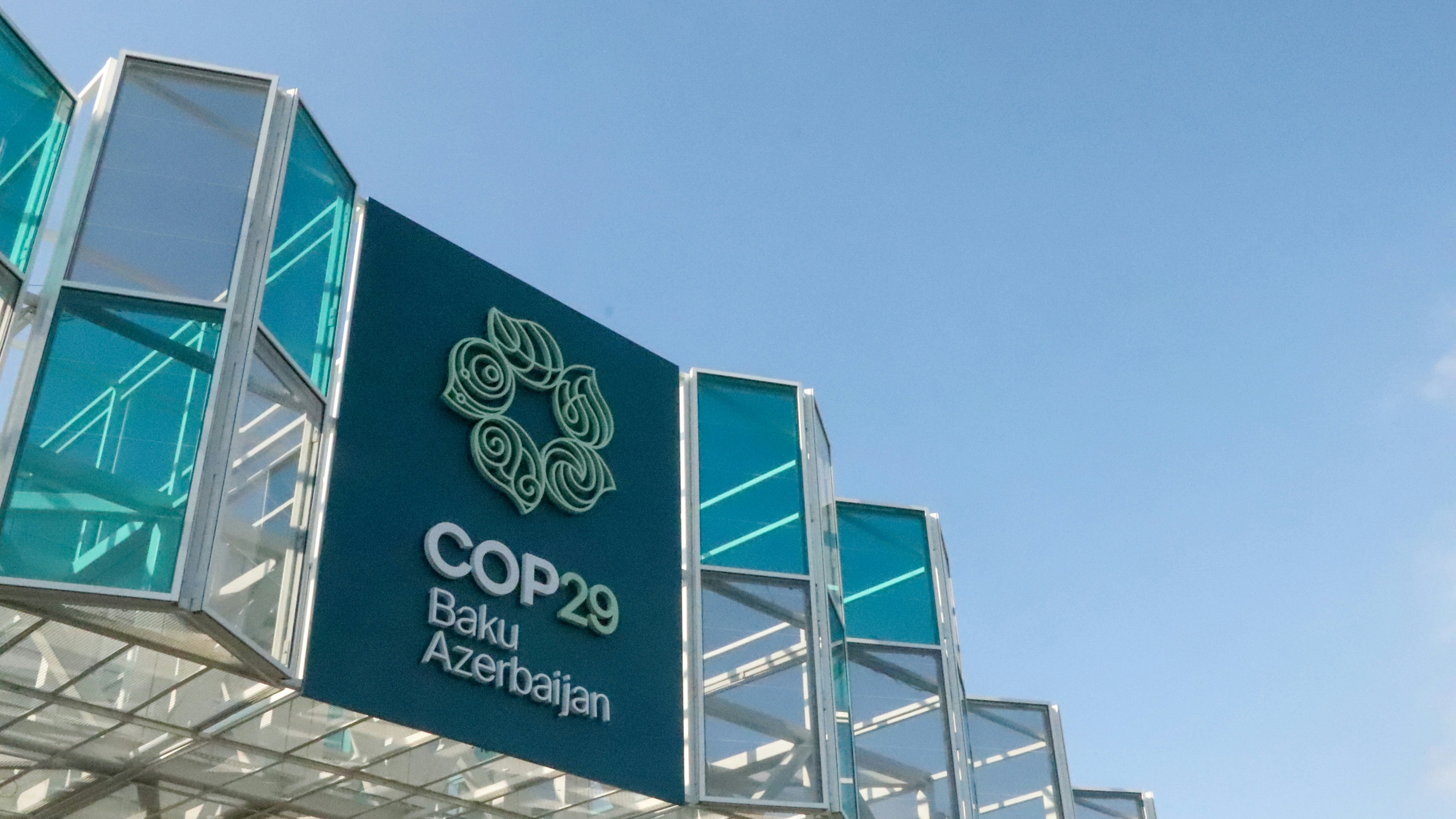
COP29 took place in November 2024 in Baku, Azerbaijan. As the latest in the annual series of United Nations (UN) climate conferences, it focused on negotiating collective global actions and establishing a broad framework for national climate policies. The conference produced mixed results, set against a backdrop of geopolitical uncertainty, the warmest year on record, and a series of extreme events worldwide, exacerbated by climate change (Chart 1).
Chart 1: Global surface air temperature (daily average)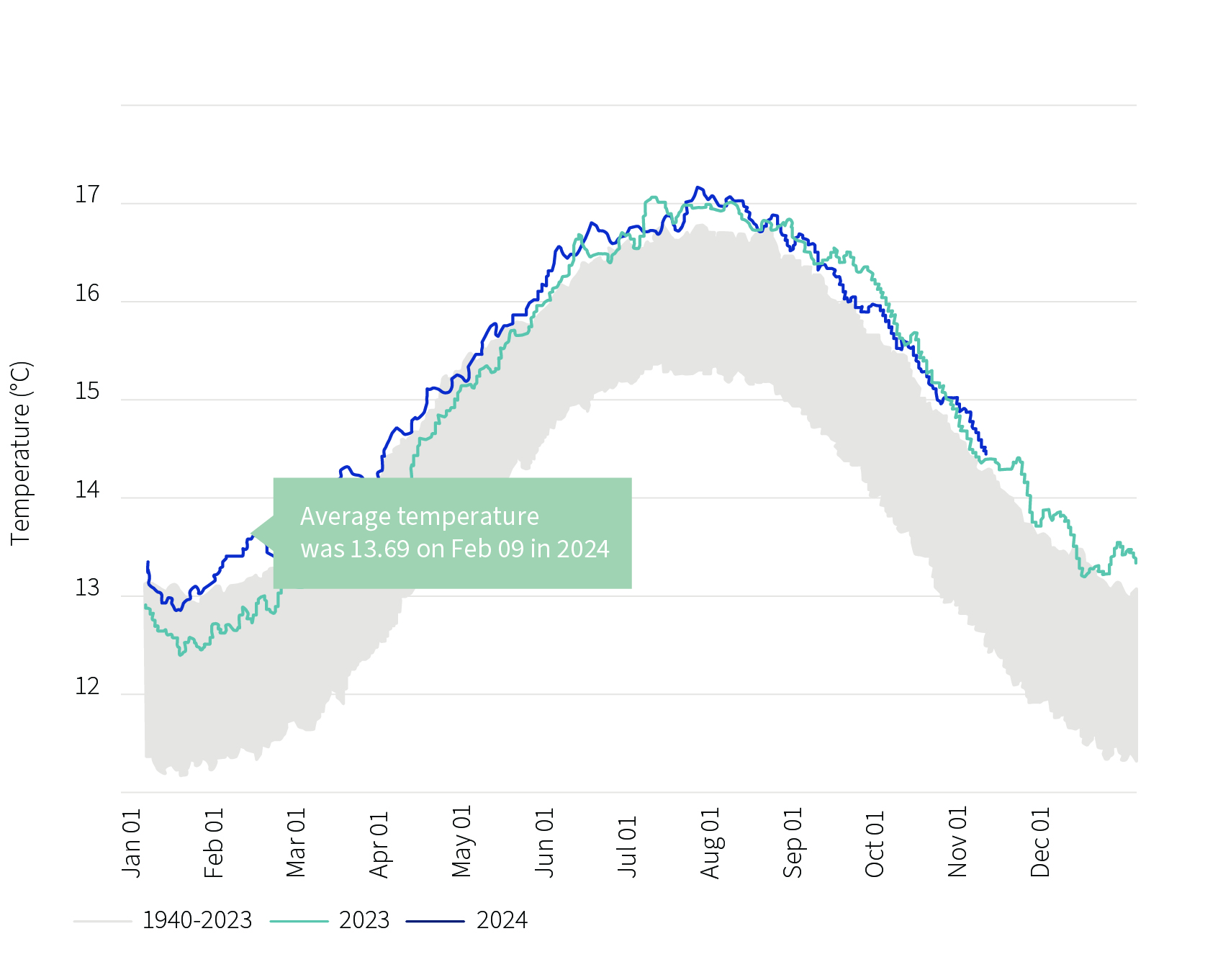
Source: Euronews: COP29: The state of the climate in eight charts, November 2024.
What were the key outcomes?
While opportunities were missed to deliver greater clarity and resolve on finance and ambition, there were some notable developments:
Climate finance agreement: Countries committed to mobilising at least USD 300 billion annually by 2035 to support developing nations in mitigating and adapting to climate change. While this target triples the previous USD 100 billion goal, many developing countries argued that it was insufficient, calling for USD 1.3 trillion to effectively address the challenges posed by climate change.
Carbon market mechanisms: Delegates finalised the rules under Article 6 of the Paris Agreement, setting out standards for international carbon credit trading. This framework is intended to enhance global cooperation in reducing emissions. However, concerns persist over potential loopholes and the overall quality of the credits generated.
What were some additional developments?
Several other key themes emerged during COP29:
Support for indigenous communities: Discussions underscored the urgent need for increased biodiversity finance to support indigenous people, stressing that inadequate funding poses existential threats to these communities and their traditional ways of life.
Artistic engagement: The #CreateCOP competition highlighted global youth perspectives on climate issues, with the winning artworks addressing themes such as deforestation and pollution. This initiative underscored the important role of art in raising awareness and advocating for climate action.
What were the critiques and challenges ?
COP29’s outcomes faced both praise and scepticism, with key concerns including:
Perceived shortcomings: Observers criticised the lack of substantial commitments to reduce industrial emissions. Many called for stronger measures, such as mandates, green procurement strategies, and higher carbon pricing, to accelerate decarbonisation in heavy industries.
Defeatism concerns: Commentators warned against a defeatist attitude towards COP29’s perceived shortcomings. While acknowledging the need for reform and greater ambition, they stressed the importance of recognising progress—however incremental—to maintain global momentum in tackling climate change.
Looking ahead
COP29 reflected a global climate process caught between ambition and action, progress and inertia (Chart 2).
Chart 2: COP29 Achievements vs. Targets (Billion USD)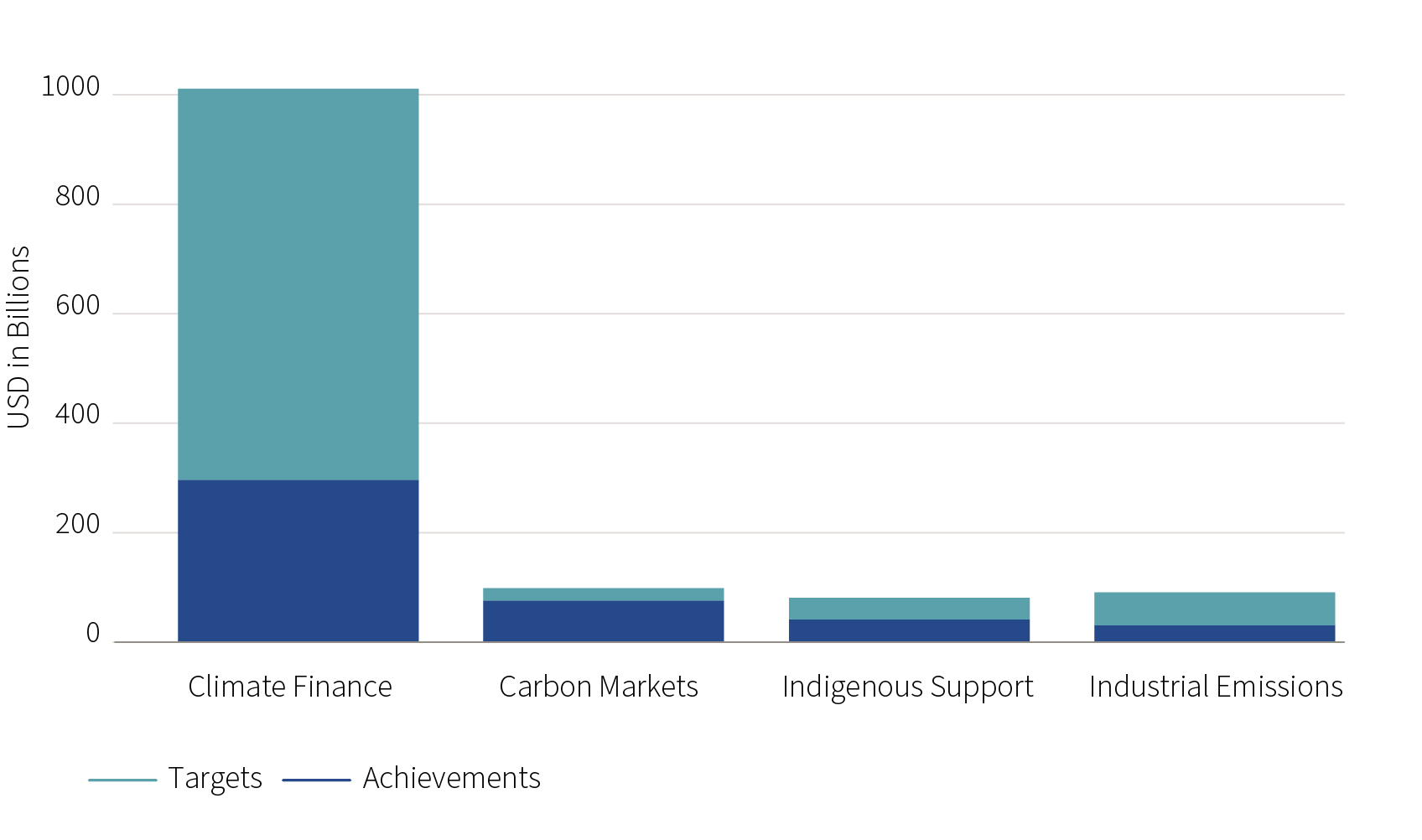
Source: CarbonBrief: COP29: Key outcomes agreed at the UN climate talks in Baku, 24.11.24.
While significant gaps remain, the conference highlighted that collective efforts—driven by finance, cooperation, and innovation—are vital to addressing the climate crisis. Moving forward, the challenge will be to translate discussions into tangible outcomes that reflect the urgency of the moment. As the world turns its attention to COP30, the focus must be on achieving bolder commitments, stronger accountability, and the resolve to secure a sustainable future for all.
As part of our commitment to a sustainable portfolio, the Bank aims to invest in assets that align with many of the objectives outlined in the COP agreements.
In accordance with regulations, we target assets that meet the following criteria:
- An Implied Temperature Rise not exceeding 2°C, in line with the Paris Agreement
- Economic activity (at least 20% of revenue and sales) contributing to environmental and social objectives
- Robust governance practices and mechanisms
Further information can be found in the Client Corner under our "Sustainable Investment Approach."