Real Estate: What is the outlook?
Jacques Chillemi, Co-founder & Managing Director and Maximilien Moris, Investment Manager, Hermance Capital Partners
Over the course of the pandemic we observed major shifts in the real estate market. Some traditional real estate sectors are being reshaped to better address tenants' needs whilst new niche sectors have emerged showing strong growth potential. Looking ahead, the global real estate market will continue to offer interesting investment opportunities, though investors need to be selective.
At the start of 2022, the attractiveness of real estate investments remains stable and the asset class is on track to account for 11% of institutional investor allocations this year. This year, real estate investment volumes are expected to rise, supported by high levels of liquidity, with over USD 350 billion ready to be deployed globally.
What investment approach should investors consider?
Despite resilient real estate fundamentals, not all sectors are approaching the post-Covid-19 era in the same way and our changing lifestyles requires us to rethink the industry. Over the past decade, investors benefited from a bull market which drove valuations higher, in particular supported by low interest rates. In this market environment less attention given to asset management considerations. Today investors are facing a more complex and challenging investment environment which means investors will be required to dig deeper to find similar returns. This means investors require an operational value creation approach and investments in high growth themes to enhance their investment returns.
Sub-sector update
The real estate sectors that have suffered the most from the pandemic are traditional retail and hospitality sectors. These are facing many challenges in terms of both their sales model and liquidity needs. These sectors sometimes offer attractive entry prices but present real operational or transformational challenges. Commercial office space also remains uncertain with regard to usage given the impact of remote working on occupancy rates (see Investment Views: The future of work). Investors should favour newer properties that are in prime locations and have all modern amenities to meet the needs of a demanding market. By contrast, the logistics sector is emerging stronger from the crisis supported by a strong growth in online sales. The same is true of the residential sector, which has shown great resilience. Both real estate sectors are expected to remain attractive for investors.
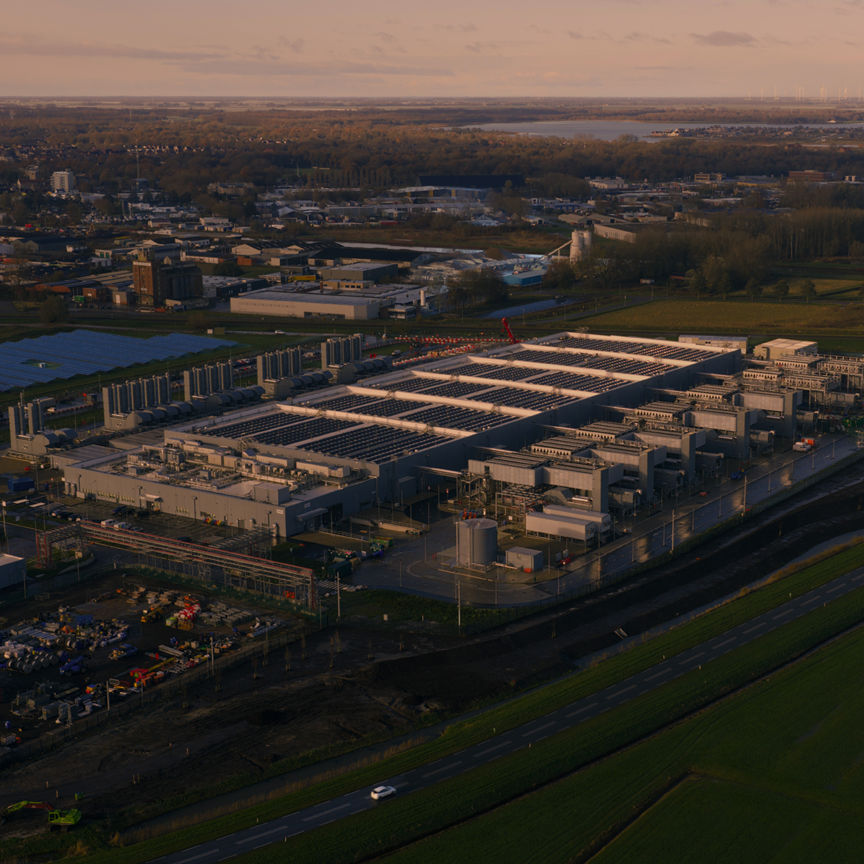
Apart from these traditional real estate sectors, niche sectors with strong growth potential emerged, including data centres, cell towers, life science and medical assets as well as various residential service-oriented sub-sectors. These sectors are being driven both by our changing lifestyles and by demographic shifts. The strategic operational aspect of these assets, however, calls for investing alongside experts in these fields.
Another approach for investors will be to target investments under financial stress, allowing for a reduced acquisition price. The number of stressed assets is currently smaller than expected considering the economic impact of the pandemic, but as government aid subsides, we will see some opportunities emerge. Again, the poor financial and/or operational health of these assets requires the need of an investment specialist.
A key theme we have not yet discussed is sustainability. Real estate is a highly polluting sector that accounts for approximately 40% of our energy consumption and emits 40% of global greenhouse gases. Beyond these obvious ecological challenges, investors are demanding more from this asset class in order to meet their sustainability objectives. In terms of performance, sustainable buildings are already showing occupancy rates and rent levels that are on average 5% higher along with lower maintenance charges and higher sale prices.
Understanding markets
In today's macro context, several factors support the real estate market. First, inflationary pressures are reviving the protective role of property in the minds of investors. At the same time, despite the recent increase, interest rates are still low by historic standards and a further increase is partly anticipated by investors. Even if we are to see consecutive years of rising interest rates, the real estate sector benefits from a risk premium spread over government bonds that is above historic levels which should moderate the impact of rising interest rates. It is worth noting that the average yields offered on real estate, which range depending on sector and location from 3% to 5% (excluding leverage), remain relatively attractive vs. government bond yields.
In summary, real estate investors will be able to benefit from crisis opportunities arising from financial stress as well as resilient options in mature sectors over the coming year. In the longer term, investing in real estate niche markets alongside high-growth sectors should allow investors to continue to generate performance. Coupled with the need to meet increasingly demanding sustainability criteria, this asset class will continue to demand patience and expertise from active managers. These managers should be able to determine the quality of real estate assets and exploit their growth potential over time by improving operational and financial considerations.
Hermance Capital Partners
Hermance Capital Partners was created in 2015 on the initiative of Banque Paris Bertrand as an investment boutique focusing on private markets. Rothschild & Co acquired Banque Paris Bertrand including Hermance Capital Partners in 2021. Hermance provides a wide range of investment solutions across high-conviction strategies with attractive risk-return profiles. Through its modular approach, Hermance enables qualified investors to build a diversified portfolio of high-quality private equity, private debt and private real estate assets. Today Hermance manages $700m in private market assets.