Asset Management: Monthly Macro Insights - September 2026
The AI Paradox: A Growth Engine with Rising Vulnerabilities
Economic growth has moderated, but fears of a synchronized global downturn have repeatedly failed to materialize despite successive shocks, from tariffs to the conflict in the Middle East. This resilience has been supported largely by investment spending related to artificial intelligence (AI), even as financial vulnerabilities have increased.
It’s the AI, stupid
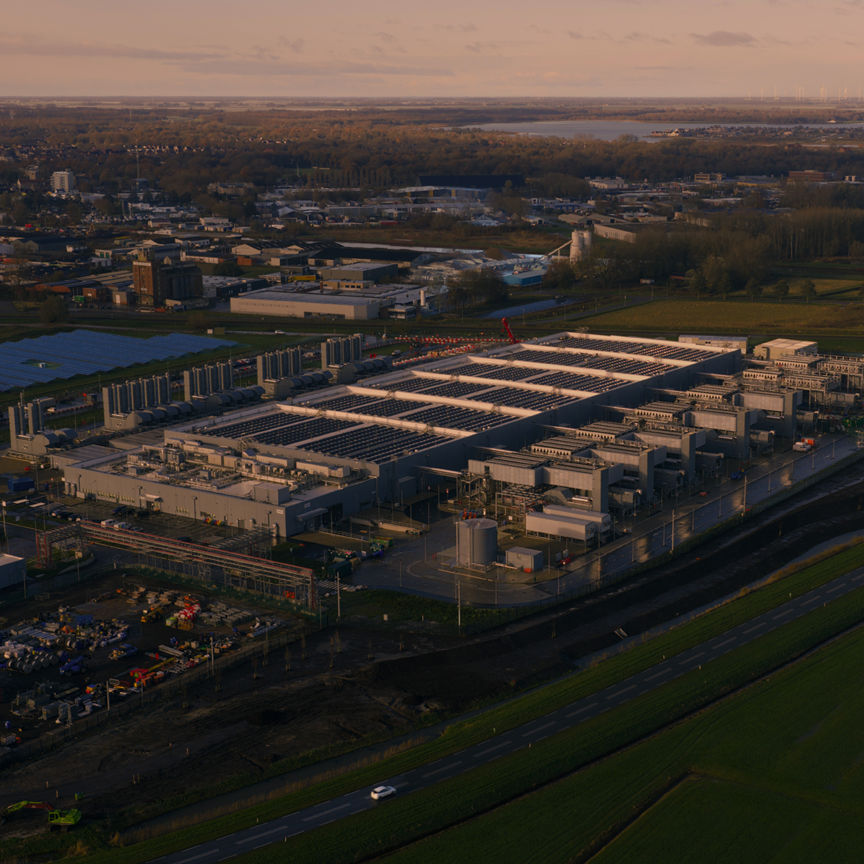
The world is currently experiencing one of the largest technology-driven investment cycles in history. AI sits at the centre of this transformation, and its significance extends far beyond technological innovation. Its deployment requires enormous investment, and has become a powerful catalyst for capital expenditure across a wide range of industries.
The key question is whether these investments can translate rapidly into meaningful productivity gains. Not only does the magnitude of such gains remain highly uncertain, but economic history also suggests that transformative technologies often require years of complementary investment and organisational change before their benefits are fully realised.
Trade war’s financial ramifications
Alongside the AI investment boom, the global economy is becoming increasingly fragmented. Recent tensions with some of America's closest trading partners illustrate the risks associated with weakening these relationships, and the financial implications may ultimately be more important than the direct effects on trade.
Higher interest rates amid persistent inflation
Meanwhile, the inflation outlook remains challenging. Accordingly, long-term interest rates have risen to their highest levels in more than fifteen years. In addition, widening fiscal deficits are increasing government borrowing needs, while the AI boom is adding further upward pressure as massive financing requirements boost demand for long-term capital.
Overall, the AI boom presents two sides of the same coin. On the one hand, it has the potential to deliver substantial productivity gains, supporting stronger long-term growth and higher living standards. On the other hand, it is fuelling inflationary pressures and pushing long-term interest rates higher, thereby increasing financial vulnerabilities, particularly if expectations regarding future productivity gains and capital spending ultimately prove overly optimistic.