How to choose a wealth manager hub

It takes a great deal of boldness and a great deal of caution to make a great fortune; and when you have got it, it requires ten times as much wit to keep it."
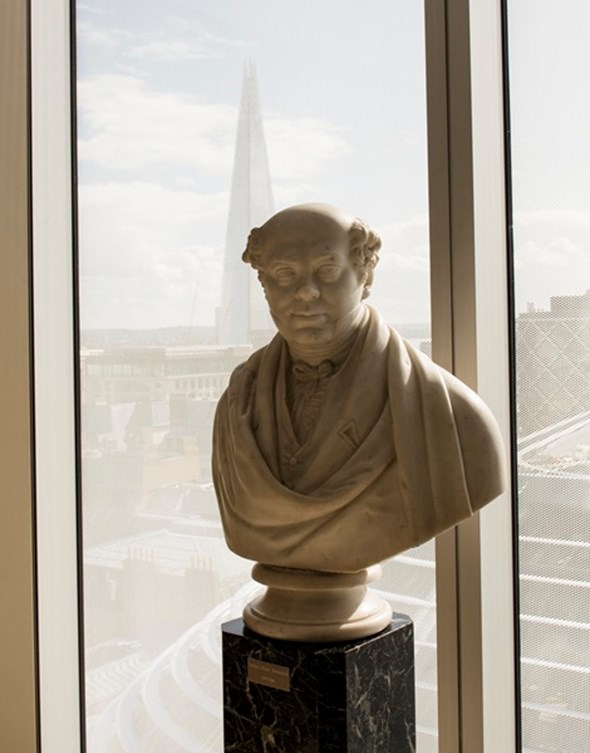
Nathan Mayer Rothschild
(1777 - 1836)
Using a wealth manager can be a good way to help you achieve your financial goals, but the first question you’ll be faced with is how to choose the right one.
There are many wealth managers out there, so it’s important to choose the right one for you, your family and your finances.
There are lots of questions you should consider:
- How does my wealth manager choose which companies to invest in?
- Do their investing values align with my own?
- Do they have a track record of long-term success?
In this series of articles we explain some of the services offered by wealth managers, and how to find the correct partner for you.
Please get in touch if you have any questions or would like to discuss your finances with one of our Client Advisers.
How to choose a wealth manager
Wealth can be easily lost if you are not prudent. A wealth manager can help you avoid this fate, but you need to be confident that you're making the right choice.
In this article we outline the key questions to ask and how they can help you meet your financial goals.

Making the best investment choices
There are many ways you can grow and preserve your wealth by investing.
In this article we discuss how to find an investment style that suits your outlook, examine both ‘top-down’ or ‘bottom-up’ investing strategies, and assess active and passive investing.

Our culture, service and people
We pride ourselves on our company culture, values and people at Rothschild & Co Wealth Management UK.
Our business is built on the strength of our people and the relationships they have with clients, and we believe this sets us apart from other wealth managers.

Is a wealth manager worth it?
We all like to achieve good value for money, but it's particularly important when choosing a wealth manager.
You are entrusting someone with you and your family’s financial future, and in this article we outline how to assess the value of a wealth manager.

Two centuries in the making
At Rothschild & Co, we are proud of our 200-year heritage and seven generations of family ownership.
We firmly believe that longevity is a key quality in a wealth manager, and many of our clients feel reassured that their money is with a company that has stood the test of time itself. Our low staff turnover further illustrates our commitment to stability and continuity in an industry where these qualities are vanishingly rare.

Wealth management insights
 What is investment risk and how do we manage it?
We manage investment risk through disciplined portfolio construction, diversification, liquidity management and continuous oversight, balancing risk and return to build resilient portfolios designed to preserve and grow wealth over time.
 The Midterms
A Democratic sweep may increase political gridlock, but history suggests limited market impact, with resilient US growth, strong corporate profitability and consumers remaining more important drivers for investors.
 A quiet budget that may still change the landscape
The 2026 Budget brought limited headline change but potentially significant long-term implications, particularly for business owners, property investors and savers, through higher tax rates, new Founders Relief and company reforms.
 UK Budget - first impressions
The Budget delivers modest fiscal changes with limited portfolio impact, while reinforcing the UK’s manageable debt outlook, although its collection of smaller measures appears driven more by politics than economics.
 Concrete decisions - pay now or pay later
The built environment must balance decarbonisation, climate resilience and affordability, with collaboration across housebuilders, policymakers, investors and suppliers essential to creating sustainable, resilient homes that deliver long-term value for communities.
 AI jitters return
AI-related fragility has returned, driven by financing concerns and leveraged neocloud companies. Yet strong hyperscaler balance sheets and recurring market rotations suggest it remains premature to call an inflection point.