Asset Management Europe: Monthly Macro Insights – April 2022
Marc-Antoine Collard, Chief Economist, Director of Economic Research, Asset Management, Europe
The global economy is facing three interrelated shocks. New Covid-19 cases are once again gaining momentum in Europe and Asia – especially in China, worsening supply chain disruptions. In addition, the war in Ukraine will hinder global growth through many different channels. Lastly, central banks are under significant pressure to quickly normalise policy stances.
Covid has not disappeared
The pandemic has affected global supply chains as multiple lockdowns and restrictions slowed or even temporarily stopped the flow of raw materials and finished goods, disrupting manufacturing as a result. Many sectors are also facing labour shortages due to changing demographics – like ageing and retiring workers, border controls and immigration limits, demands for better wages and flexible working arrangements, and long term Covid-19 symptoms. Furthermore, choked ports and record freight rates are causing disruptions. In turn, as supply could not cope with demand, inflation started to rise, although most economists and central banks expected the upswing to be transitory. As yet, it has not been.
In fact, just when some of the supply-chain challenges seen since the beginning of the pandemic appeared to be very gradually starting to fade, the latest Covid-19 wave is once again creating an uncertain environment, especially due to China’s zero-Covid policy.
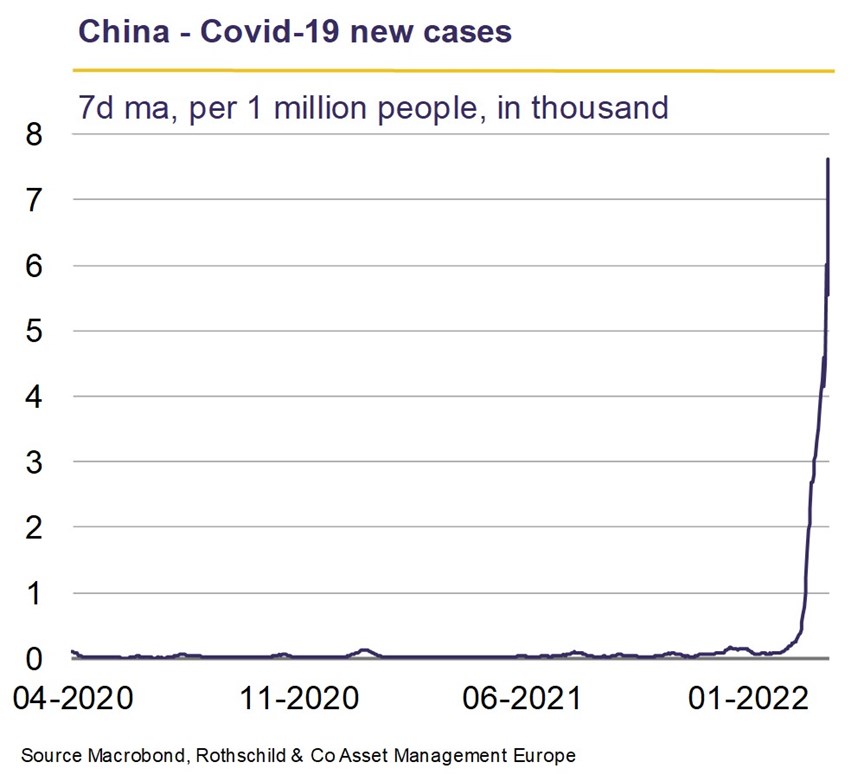
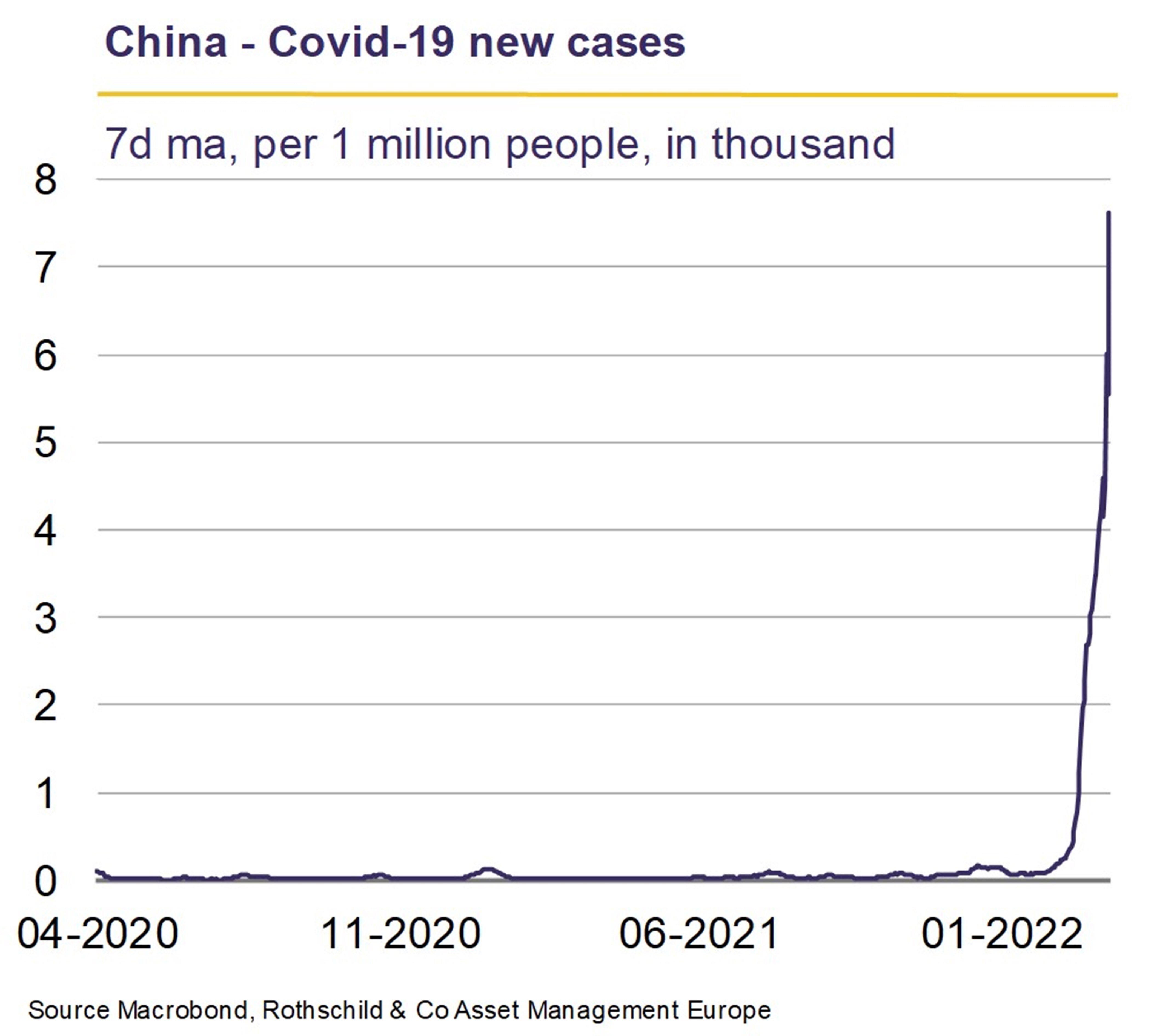
The negative impact of mobility restrictions and lockdowns in many Chinese regions was evident in the March business confidence surveys with indices falling in contraction territory both in the manufacturing and non-manufacturing sectors. Overall, the resurgence of Covid-19 is a key risk for Chinese H1 GDP, but also for global supply chains, adding to already complicated global inflation challenges.
The war is a substantial hit to growth
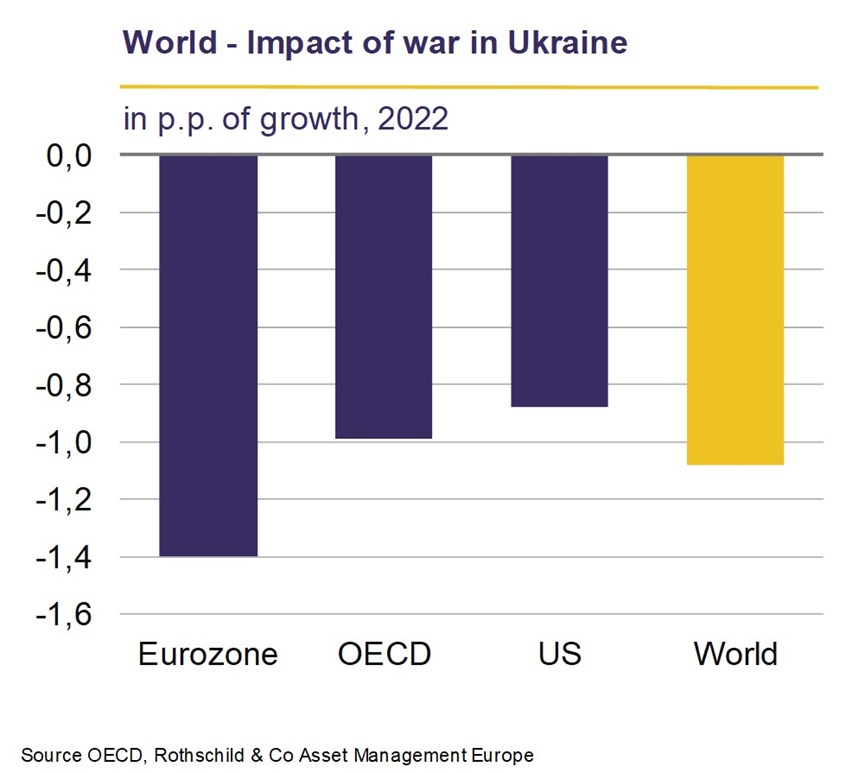
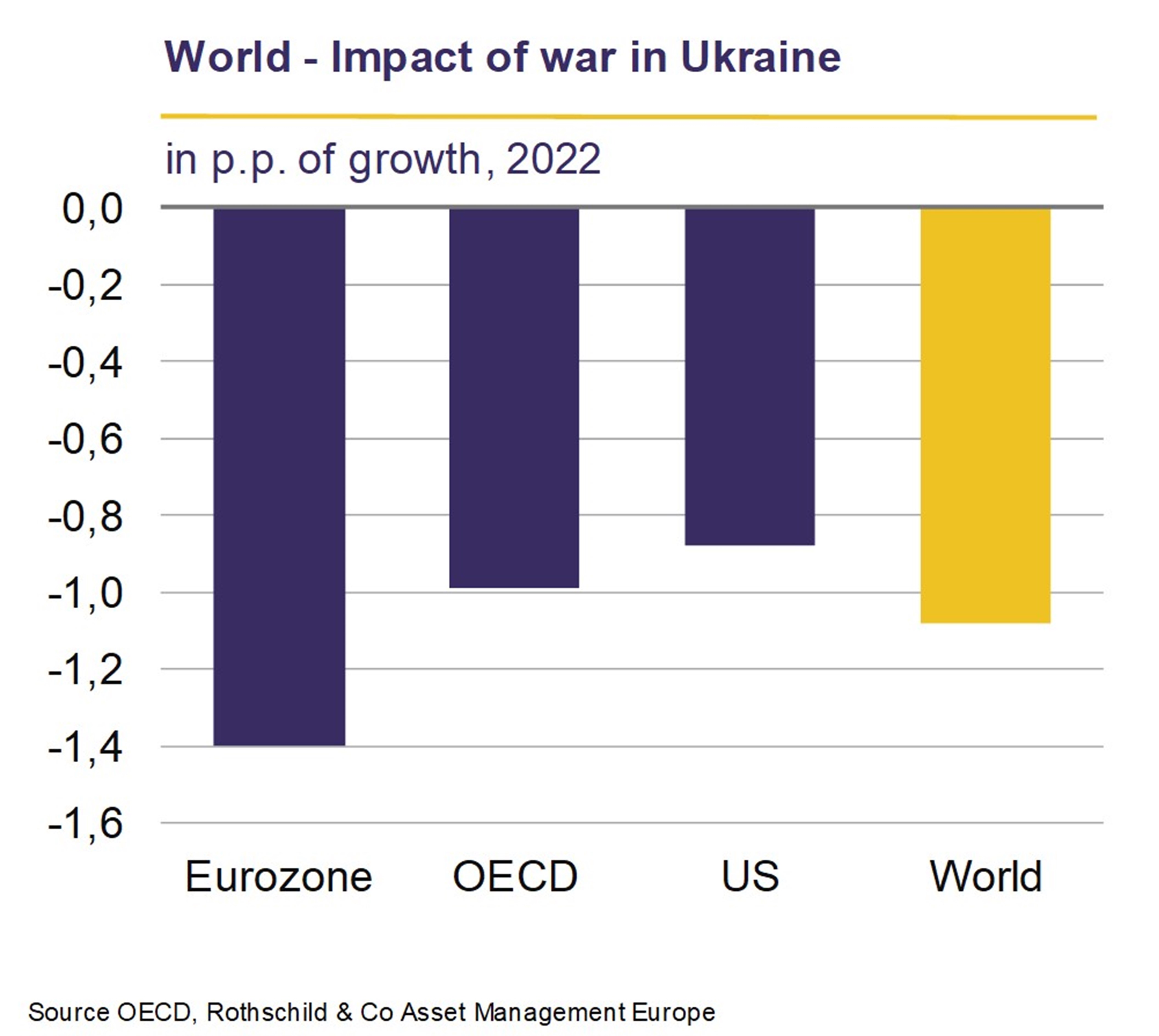
The magnitude of the economic impact of the war is highly uncertain and will depend in part on its duration. The direct importance of Russia and Ukraine is relatively limited as they account for only about 2% of global GDP. Financial linkages with other countries are also modest. However, their role as an important link in some supply chains – they are sources of inert gases such as argon and neon, used in the production of semiconductors – as well as major suppliers in a number of commodities – oil, gas, wheat – give them a significant influence on the global economy. Accordingly, the conflict will result in a substantial near-term drag on global growth by its significant impact on inflation, in turn eroding the value of incomes and weighing on demand. Regionally, the European economies are likely to be the hardest hit, reflecting greater gas price increases, compared to other parts of the world, and the relative strength of business and energy linkages with Russia.
Furthermore, in some emerging countries, risks related to agricultural products are not only economic, but also humanitarian with a sharp increase in poverty – and possibly hunger, especially since the disruption in fertiliser availability might make these disruptions and price movements more long lasting by putting next years’ supply under stress. Although not the sole factor, food scarcity played a large role in the 2010’s Arab Spring and social unrest is now a risk that should not be overlooked.
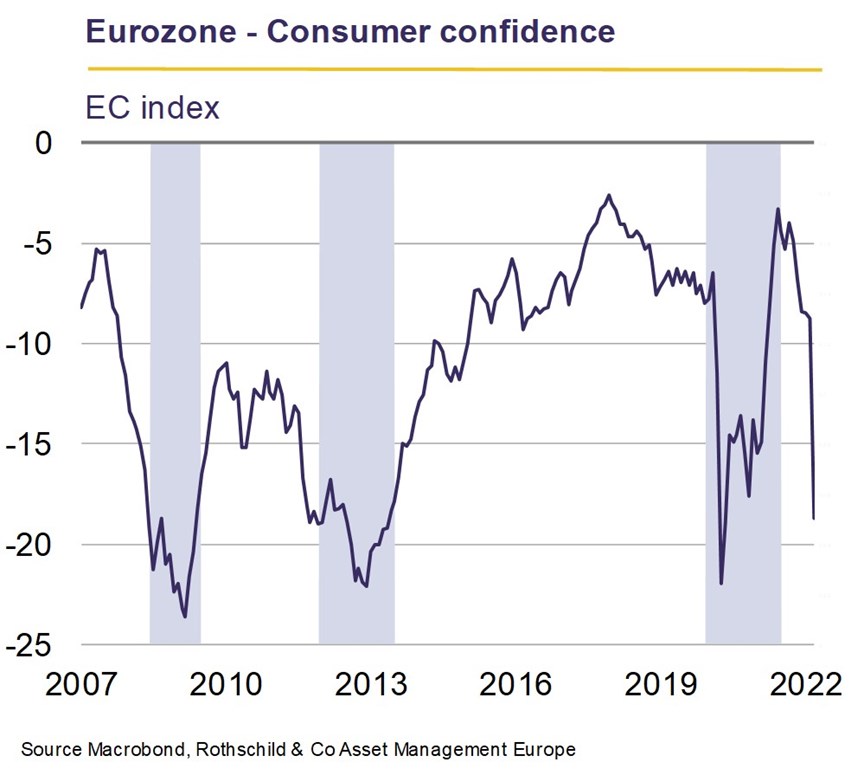
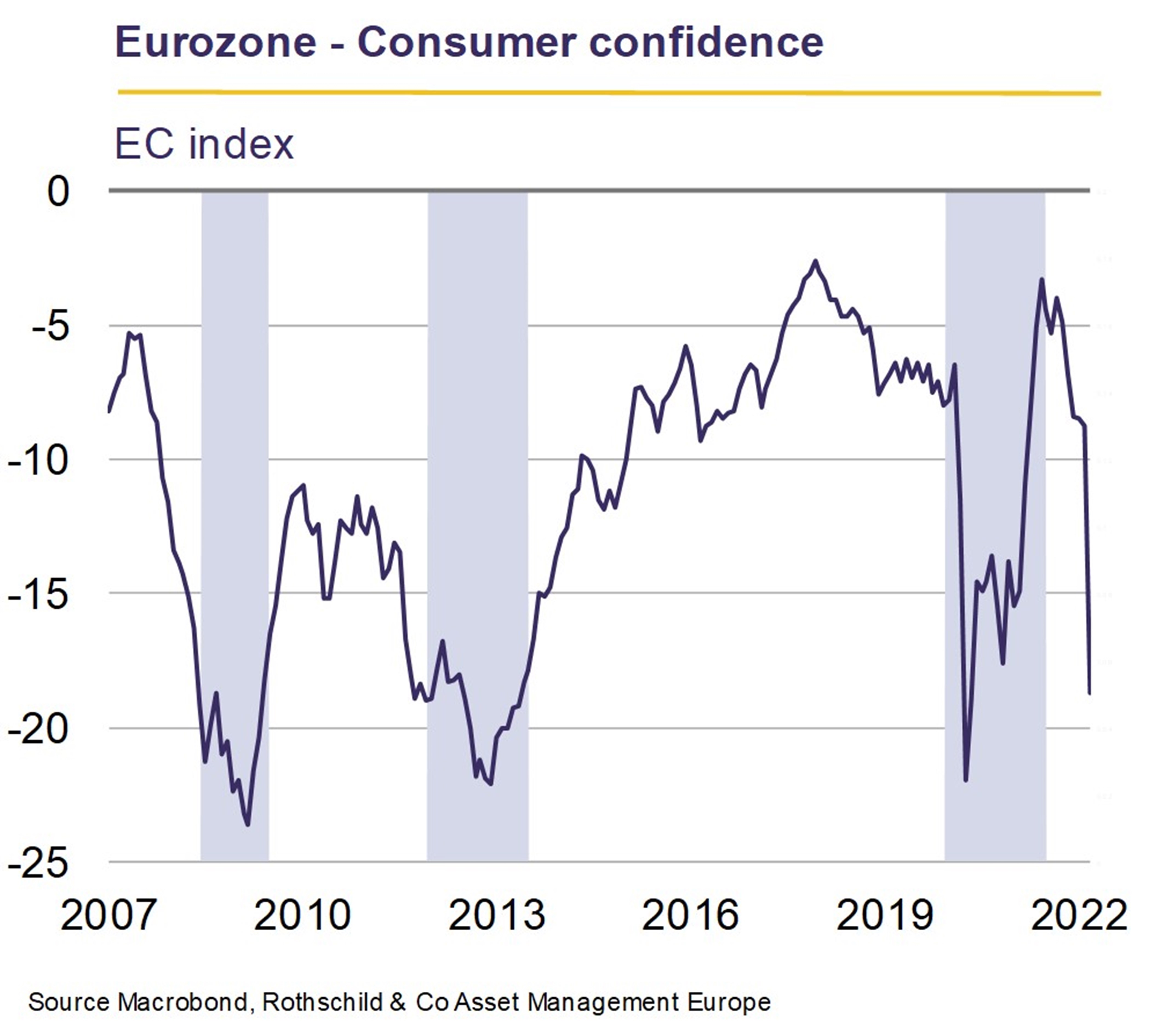
Investors remain, nonetheless, cautiously optimistic for several reasons. Globally, the activity momentum ahead of the war was resilient, employment is expanding at a brisk pace, and tight labour markets are likely to lift wages. What’s more, growth resiliency rests on households drawing down savings in the face of a severe purchasing power squeeze and firms continuing to hire staff, despite rising uncertainty. At the same time, fiscal policy is expected to be supportive in most parts of the world, acting to shield consumers from commodity price gyrations. Healthy private sector balance sheets could also help cushion the rise in interest rates.
Inflation pressures policymakers
Since 1980, the global economy has been buffeted regularly by geopolitical events that led to negative commodity supply shocks, but the ensuing price spike has never been accompanied by broad-based core price pressures. As such, central banks refrained from responding to these shocks. However, this is no longer the case, and the war in Ukraine is adding to the challenges already facing policymakers from rising inflation, due to the prolonged input shortages and disruptions. In fact, although risks to global growth are skewed to the downside, central banks have been constrained to focus on ensuring well-anchored inflation expectations. Hence the several announcements of plans to tighten policies in order to preserve their precious credibility.
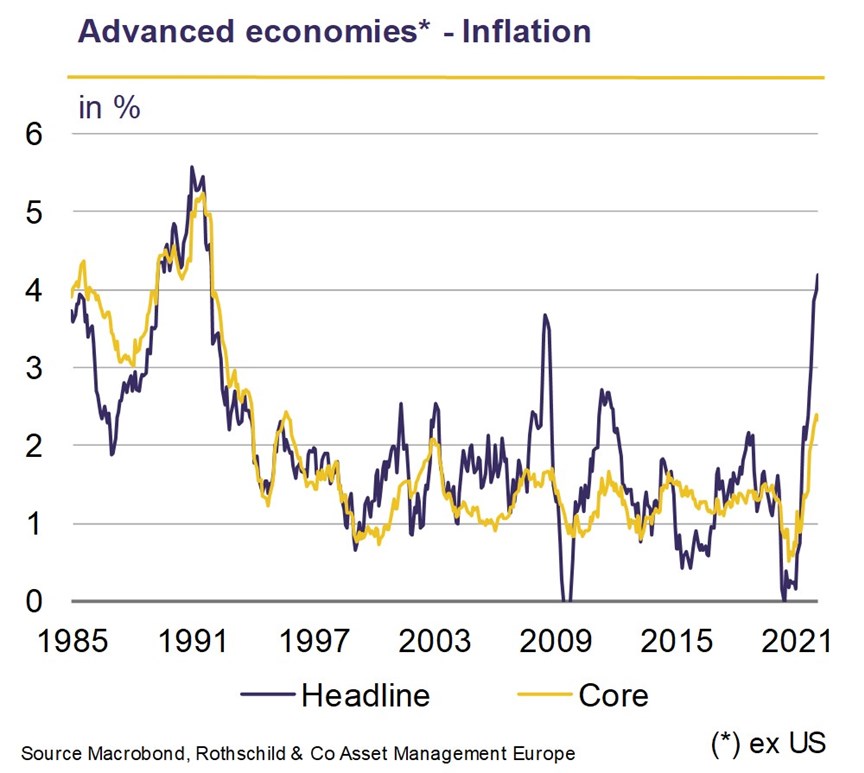

Unsurprisingly, Chair Powell reassured investors that the Fed can hike rates enough to thwart inflation without also engineering recession, noting it happened three times in modern history — 1965, 1984 and in 1994. However, the comparison is not completely straightforward. During that period, the inflation rate was hovering around 3% and the Fed was mainly attempting to prevent prices from rising further. By contrast, inflation accelerated to 7.9% last February and is expected to move up further(1). Accordingly, the task today is very different, consisting in fact to lower inflation by several percentage points. In addition, while the Fed is on the march to quickly normalise its policy, the destination is uncertain as the neutral fed funds rate – i.e. the rate that neither spurs nor restricts economic growth – is a blurry concept, estimated to be anywhere between 2% and 3%.

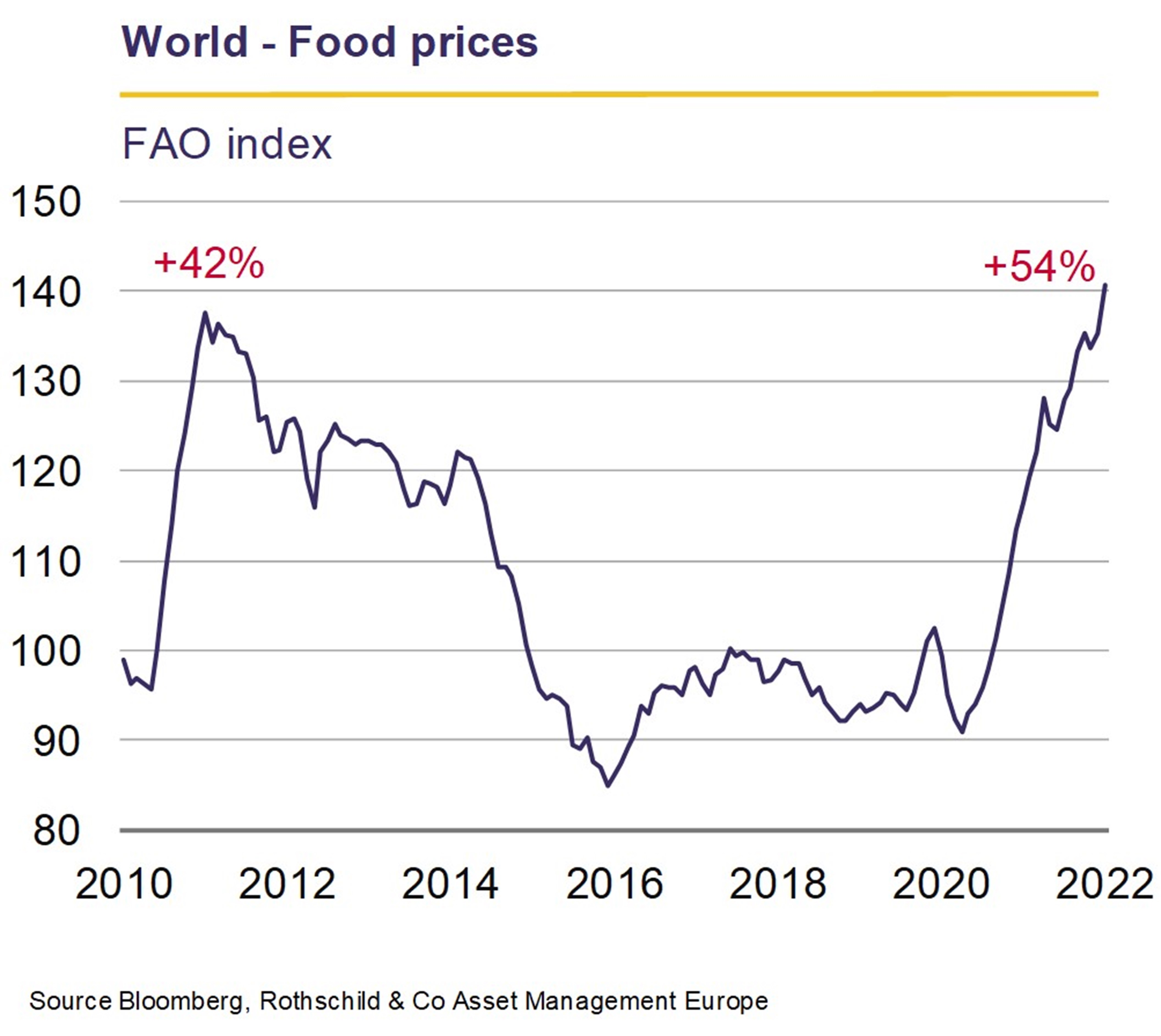
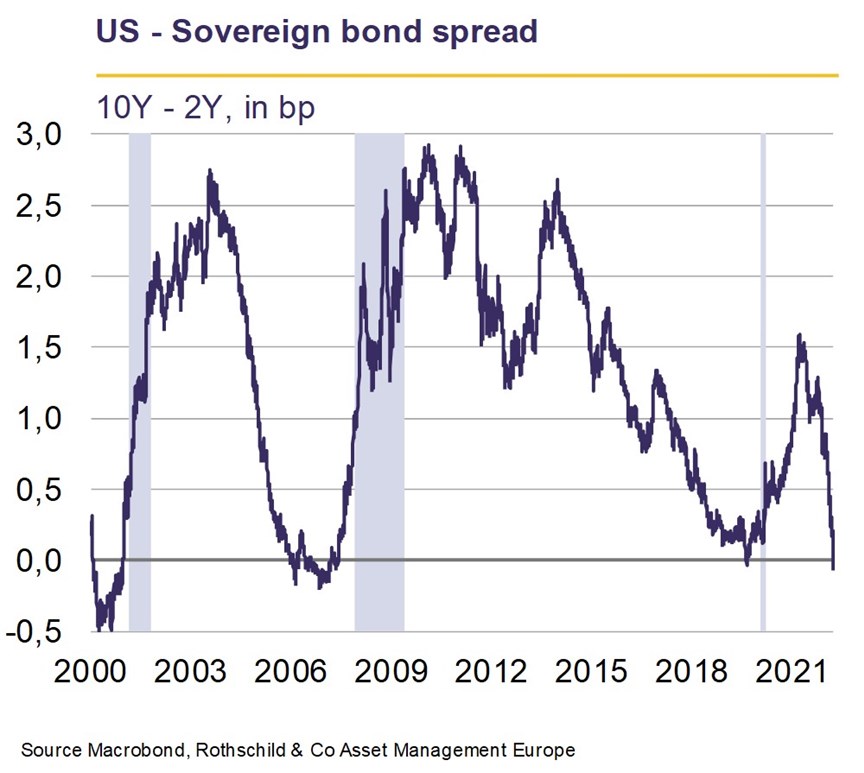
Even more fundamentally, central banks’ main tools – interest rates and balance sheet size/composition – are ill-designed to solve supply side shocks. Indeed, monetary policy cannot produce semi-conductors for the automobile industry, cannot produce natural gas, nor can it instantly improve mismatches in the labour market. Consequently, the more global supply is inelastic, the more central banks might be forced to orchestrate a substantial economic slowdown in order to restore the equilibrium with global demand. Indeed, if the latter remains robust despite policy tightening, then inflation is unlikely to converge towards targets, unless supply issues are resolved swiftly. In any case, the US bond market seems to have noticed the challenge and the yield curve(2) inversion suggests that recession risks have increased markedly… unless this time is different.
Completed writing on 6 April 2022
Download the PDF version Monthly Macro Insights.
(1) Source: U.S. Department of Labor.
(2) Graphical representation of bond yields according to their different maturities. In the general case, interest rates increase with the maturity date of the bond.