Asset Management: Monthly Macro Insights - January 2026
Global growth set to moderate in 2026
The global economy has remained remarkably resilient in recent years, weathering supply chain disruptions, monetary tightening and rising trade barriers. In 2025, strong financial markets, supportive credit conditions and booming investment in artificial intelligence helped sustain growth. However, some of these drivers are expected to fade, pointing to a more moderate pace of expansion in 2026.
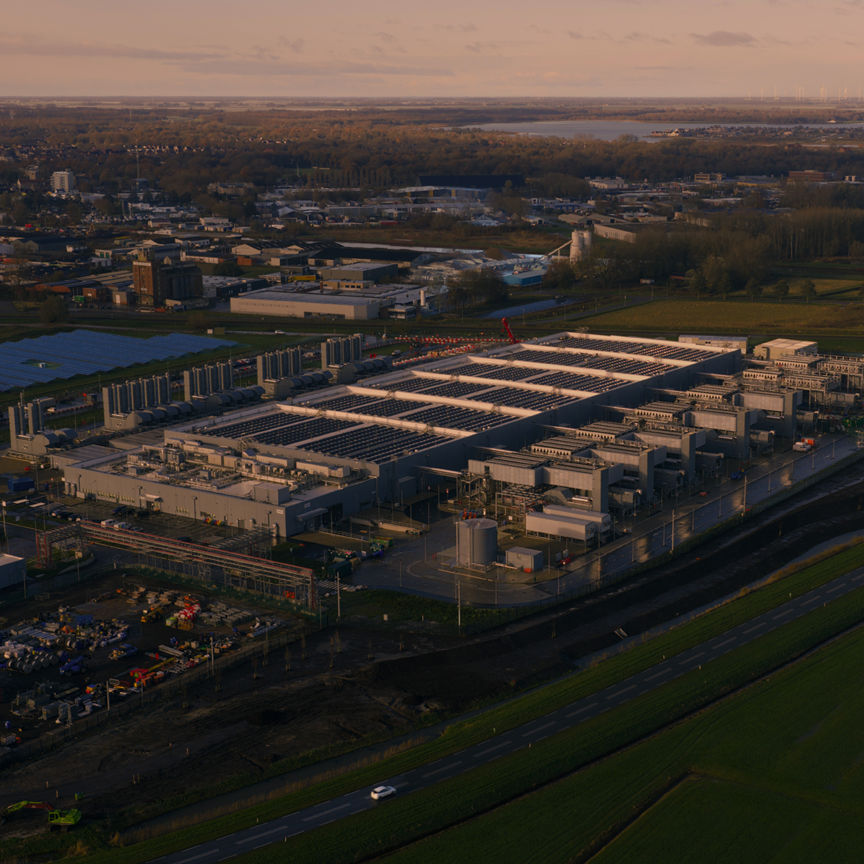
Investment linked to digital transformation and artificial intelligence should continue to support activity, particularly through spending on data centres and semiconductor manufacturing. At the same time, lower energy and food prices could help ease inflationary pressures and improve household purchasing power. This backdrop may allow central banks to continue lowering interest rates, while fiscal support measures in countries such as the United States, Germany and Japan could provide an additional boost to growth.
Despite these supportive factors, several headwinds continue to cloud the outlook. Labour markets have weakened across most advanced economies, while long-term bond yields remain elevated amid concerns over inflation and public debt sustainability. In addition, the rapid rise of AI-related valuations has increased fears of potential asset bubbles, raising the risk of broader market volatility should expectations fail to materialise.
Trade uncertainty also remains a key concern. Persistently high US tariffs and the possibility of renewed trade tensions could weigh on global trade and investment. Meanwhile, the concentration of market performance and investment flows in a limited number of technology companies highlights growing vulnerabilities beneath an otherwise resilient global economy. Overall, 2026 is expected to be a year of slower but still positive growth, albeit surrounded by significant uncertainty